


Os melhores pitch decks não seguem uma fórmula. Eles resolvem um problema específico: convencer investidores céticos de que uma ideia não convencional não é apenas viável, mas inevitável.
Analisamos os pitch decks mais famosos de empresas como Airbnb, Uber, Facebook e Stripe, além de frameworks comprovados da Y Combinator e da Sequoia Capital. Alguns desses decks são lendários porque acertaram tanto em um ponto específico que ele se tornou a nova melhor prática. Outros funcionaram porque os fundadores mostraram uma tração tão forte que o deck quase não importava.
Aqui está o que realmente fez com que eles funcionassem.
Os melhores exemplos de pitch decks
Facebook (2004)
A reunião de apresentação do Facebook se tornou lendária no Silicon Valley pela sua brevidade. Mark Zuckerberg era um jovem introvertido de 19 anos entre o segundo e o terceiro ano em Harvard. Peter Thiel disse para ele sair por uma hora. Quando retornou, eles lhe deram uma term sheet. Todo o processo levou cerca de duas horas. O Facebook captou $500.000 por uma participação de 10,2%, avaliando a empresa em $4,9 milhões.
O deck funcionou porque o crescimento era tão explosivo que a visão de futuro quase não importava. Cerca de 20 campus universitários, 100.000 usuários, espalhando-se de forma viral pelos campus sem nenhum investimento em marketing. Mas o verdadeiro insight estava no que eles escolheram enfatizar: 75% dos usuários retornavam diariamente.
Essa única métrica dizia tudo aos investidores. Isso não era uma novidade. O uso ativo diário acabaria se traduzindo em um enorme potencial publicitário, mesmo que a estratégia de monetização ainda não estivesse totalmente formada.
O pitch deck do Facebook era mais um media kit do que um pitch tradicional, focando implacavelmente no tráfego de usuários, engajamento e métricas de crescimento, em vez de visão ou tamanho de mercado. Quando você tem esse tipo de retenção, os dados falam mais alto do que qualquer narrativa.
O deck também mostrou como os efeitos de rede estavam funcionando. Cada novo usuário tornava a plataforma exponencialmente mais valiosa. À medida que o Facebook se expandia para mais universidades, os estudantes não estavam apenas acessando uma ferramenta, eles estavam se conectando a todo o seu gráfico social. A dinâmica de que o vencedor leva tudo era óbvia.
A taxa de crescimento importa, mas a profundidade do engajamento importa muito mais. O Facebook provou que o produto havia se tornado essencial para a vida diária dos usuários. É isso que transforma um investidor cético em um defensor.
LinkedIn (2004)
O LinkedIn captou $4.7 milhões em uma rodada liderada pela Sequoia Capital em novembro de 2003, com uma avaliação pre-money de $10-15 milhões. A captação da Series A levou de quatro a cinco meses no ambiente pós-bolha da internet, quando os investidores ainda estavam traumatizados com os fracassos de plataformas sociais. Reid Hoffman publicou mais tarde o deck da Series B de agosto de 2004 de forma pública em seu aniversário de 10 anos.
O que fez o pitch do LinkedIn funcionar foi mostrar três fontes de receita distintas: assinaturas (contas premium para usuários avançados), recrutamento (anúncios de vagas e busca de candidatos) e publicidade. Essa diversificação provou que a plataforma poderia gerar receita de várias maneiras, reduzindo o risco para os investidores.
Enquanto Friendster e MySpace se posicionavam como redes sociais, o LinkedIn se apresentou como infraestrutura de negócios. O direcionamento B2B significava uma maior disposição para pagar e potencial de vendas corporativas. A receita de recrutamento mostrou um claro potencial de expansão empresarial — um recrutador usando o LinkedIn para encontrar candidatos poderia levar à adoção por toda a empresa e, depois, a efeitos de rede em todo o setor.
Se você tem múltiplas fontes de receita, mostre todas. O LinkedIn provou que não dependia de um único modelo de negócios. Essa diversidade deu confiança aos investidores, mesmo que uma das fontes ficasse abaixo do esperado.
Tesla (2004-2006)
A Tesla captou $7,5 milhões em fevereiro de 2004 (Elon Musk investiu $6,5M e se tornou presidente do conselho), a Series B captou $13 milhões em 2005 e a Series C captou $40 milhões em 2006. Em janeiro de 2009, a Tesla tinha captado $187 milhões no total, com Musk tendo contribuído com $70 milhões do próprio bolso para manter a empresa viva.
Em 2 de agosto de 2006, Elon Musk publicou seu plano diretor: entrar no mercado de alto padrão, onde os clientes pagam um valor premium, e depois descer o mercado para um volume maior e preços mais baixos com cada modelo sucessivo. Roadster, depois Model S, e depois mercado de massa acessível. Essa abordagem em etapas fez com que uma visão audaciosa parecesse realizável.
Para uma empresa que tentava algo que a maioria considerava impossível (veículos elétricos lucrativos), a credibilidade da equipe não era apenas um diferencial, era essencial. O deck colocou o slide da equipe logo no início, impactando fortemente com as credenciais dos fundadores logo de cara.
O deck da Tesla se destacou por embasar cada afirmação com gráficos, contratos e marcos concretos. Acordos com fornecedores, especificações de engenharia, cronogramas de produção. A especificidade gerou credibilidade quando o conceito parecia distante da realidade.
O Tesla Roadster era um carro esportivo elegante construído sobre um chassi Lotus que destruiu a percepção de que os veículos elétricos eram carrinhos de golfe lentos e feios. Ao começar com um carro esportivo de alto desempenho, a Tesla provou que os elétricos podiam ser desejáveis, e não apenas ecologicamente corretos.
Em vez de pedir aos investidores para acreditarem em uma visão de 20 anos de uma só vez, a Tesla mostrou metas concretas. Lançar o Roadster até 2008, provar a tecnologia, usar esses aprendizados e receitas para financiar o desenvolvimento do Model S e, em seguida, alavancar essa experiência de fabricação para veículos de mercado de massa. Cada veículo não era apenas um produto, era uma prova de conceito que reduzia o risco do modelo seguinte, ainda mais ambicioso.
Uber (2008)
O pitch deck de 2008 do Uber ajudou a captar $200.000 em investimentos iniciais, levando eventualmente a uma Series A de $11 milhões em 2011. O deck funcionou porque destilou uma enorme disrupção de mercado em quatro palavras: o motorista particular de todos.
Não uma alternativa ao táxi. Não uma otimização do serviço de carros. Um motorista particular para todos. O posicionamento aspiracional transformou um serviço utilitário em um upgrade de estilo de vida que os investidores conseguiram visualizar imediatamente.
O deck começava estabelecendo o doloroso status quo. Frotas de táxis antigas e tecnologia ineficiente — sistemas de despacho por rádio, ter que acenar fisicamente para táxis na rua, ligar para despachantes. Esses não eram problemas abstratos. Eram frustrações diárias pelas quais todo profissional urbano passava.
Mas aqui está o que tornou o deck do Uber genuinamente inteligente: eles começaram com dados de tamanho de mercado mostrando que o mercado de táxis e serviços de carros era de $4,2 bilhões apenas em San Francisco. Quando seu mercado é tão grande em uma única cidade, você não está vendendo uma melhoria incremental. Você está mostrando o potencial de criar uma nova categoria.
A aposta no timing era menos óbvia em 2008. Os smartphones estavam apenas surgindo e a BlackBerry liderava com 32% de participação de mercado, enquanto o iPhone tinha apenas 10%. O Uber apostou corretamente que a penetração dos smartphones iria acelerar e que os serviços baseados em localização se tornariam padrão, antes que qualquer uma dessas coisas fosse óbvia. Esse é o tipo de insight que separa os decks visionários dos derivados.
Airbnb (2008-2009)
O pitch deck original do Airbnb captou $600.000 da Sequoia Capital em abril de 2009, após passar pela Y Combinator no início daquele ano. Ele se tornou uma das apresentações de captação de recursos mais estudadas na história das startups, e por um bom motivo.
O slide do problema é considerado um dos melhores já criados. Ele afirmava três verdades óbvias: reservas online são muito caras, hotéis carecem de caráter local e não há uma maneira simples de reservar quartos com moradores locais em vez de hotéis. Sem jargões, sem complexidade. Apenas pontos de dor que qualquer investidor reconhecia imediatamente.
Mas a verdadeira genialidade foi como eles provaram que a demanda existia sem precisar pedir aos investidores que acreditassem na visão. Milhares de anúncios de acomodações temporárias já existiam no CouchSurfing e no Craigslist. As pessoas já estavam tentando resolver esse problema com ferramentas inferiores. Isso não era um "se você construir, eles virão". Era um "eles já estão aqui, só estamos oferecendo algo melhor".
A explicação do modelo de negócios era igualmente direta: "Cobramos uma comissão de 10% em cada transação". Uma frase. Sem fontes de receita complexas, sem faixas de preço confusas. Apenas uma taxa de comissão direta que qualquer pessoa conseguia entender e calcular.
O slide financeiro mostrou que capturar apenas 15% do mercado, com uma taxa de transação média de $25, poderia gerar $200 milhões em receita. Esse único slide validava tanto o tamanho do mercado quanto o modelo de negócios. Os investidores conseguiam ver o enorme potencial de crescimento caso a tese se provasse correta.
O que fez o deck do Airbnb funcionar não foi a perfeição. Foi a clareza. O slide de vantagens competitivas era, na verdade, um dos mais carregados do deck, mas articulava claramente dezoito vantagens distintas. O incentivo financeiro para os anfitriões os diferenciava do CouchSurfing (que dependia do altruísmo), enquanto a facilidade de "anunciar uma vez" resolvia a fricção do Craigslist de postar manualmente em várias cidades.
O timing foi perfeito, e o deck garantiu que os investidores entendessem o porquê. A recessão de 2008 criou uma demanda simultânea por opções de viagem acessíveis e oportunidades de renda para proprietários com quartos livres. O timing não foi coincidência, foi essencial para a tese. Seu deck deve responder "por que agora?" logo nos três primeiros slides. O Airbnb respondeu.
Stripe (2012)
A Stripe captou $18 milhões liderados pela General Catalyst e Sequoia em fevereiro de 2012, com uma avaliação de $100 milhões. O posicionamento do pitch foi fundamentalmente diferente dos processadores de pagamento tradicionais: eles formularam o problema como "pagamentos são um problema enraizado no código, não nas finanças".
O slide principal mostrava "7 linhas de código vs 6 meses de integração corporativa" em comparação com os processadores tradicionais. Essa única comparação comunicava tudo o que os investidores precisavam entender. Desenvolvedores podiam integrar a Stripe em uma tarde, em vez de meio ano.
Enquanto concorrentes consolidados como PayPal e Authorize.net tratavam os desenvolvedores como um detalhe secundário, a Stripe fez da experiência do desenvolvedor seu principal diferencial. Documentação impecável, APIs simples e ausência de burocracia na aprovação significavam que os desenvolvedores escolhiam a Stripe antes mesmo do setor de compras se envolver. Isso é uma barreira competitiva real.
Mas o insight mais amplo foi posicionar os pagamentos como infraestrutura, e não como produto. Toda empresa que criava um e-commerce era um cliente em potencial. O mercado total endereçável (TAM) não era apenas de lojistas online atuais, mas de todas as futuras empresas de internet. Cobrança de assinaturas, pagamentos em marketplaces, expansão internacional — essas eram ideias secundárias para os concorrentes consolidados, mas recursos centrais da Stripe desde o primeiro dia.
Se você vende para compradores técnicos, prove que entende a dor deles melhor do que ninguém. A comparação de código lado a lado da Stripe mostrou não apenas que eles eram melhores, mas que entendiam o problema de uma forma fundamentalmente diferente dos concorrentes estabelecidos.
DoorDash (2013)
O pitch do DoorDash no YC Demo Day teve apenas 3 minutos para convencer os investidores. Eles captaram $120.000 da Y Combinator no verão de 2013, e depois uma rodada seed de $2,4 milhões liderada pela Khosla Ventures após o Demo Day. Curiosamente, eles não entraram na lista dos principais destaques do Demo Day porque a unit economics não foi apresentada de forma clara no pitch curto.
No entanto, o posicionamento foi inteligente. O deck mostrava três colunas: Geração de Leads (Seamless, Grubhub), Courier (TaskRabbit, Postmates) e Integrado. As plataformas de geração de leads mostravam apenas menus sem gerenciar a entrega. Os aplicativos de entrega rápida faziam entregas, mas não eram voltados para comida e não tinham parceria direta com os restaurantes. O DoorDash se posicionou como a solução integrada que unia os dois lados.
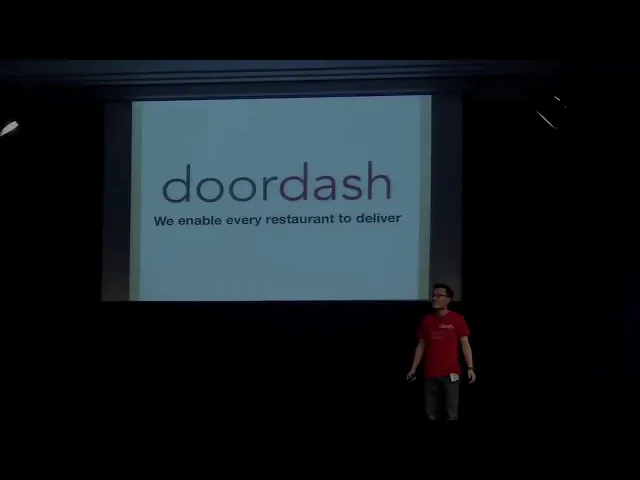
As métricas de tração eram concretas: eles reduziram o tempo médio de entrega em 24 minutos em Palo Alto em comparação com cidades semelhantes, mostraram um forte crescimento semanal de pedidos e geraram $1,5 milhão em vendas anualizadas para restaurantes. A estratégia de expansão geográfica foi disciplinada — começar em um mercado gerenciável, provar o modelo e depois replicar.
O principal insight do DoorDash foi que a maioria dos restaurantes não tinha infraestrutura de entrega. Eles permitiram que qualquer restaurante fizesse entregas, expandindo o mercado além de pizzas e comida chinesa para incluir todas as opções gastronômicas.
Frameworks de pitch deck comprovados
Além dos exemplos de empresas individuais, alguns frameworks provaram ser eficazes em centenas de captações de recursos bem-sucedidas.
Framework da Y Combinator
O framework da YC foi construído para o Demo Day, no qual os fundadores têm de 2 a 3 minutos para convencer uma sala cheia de investidores a agendar uma reunião. A estrutura reflete essa restrição de tempo: no máximo 10 a 12 slides, uma ideia por slide, projetado para ser legível, simples e óbvio.
Os 10 slides fundamentais:
Slide de título – Nome da empresa e descrição em uma linha
Problema – Qual dor você está resolvendo, explicada de forma clara
Solução – Como seu produto resolve isso, em termos simples
Tração – A métrica única que destaca o seu melhor desempenho
Mercado – Qual é o tamanho da oportunidade
Produto – Como ele é e como funciona
Modelo de negócios – Como você ganha dinheiro
Equipe – Por que vocês são as pessoas certas para construir isso
Dados financeiros – Status atual e projeções
Proposta (Ask) – Quanto você está captando e o que isso viabiliza
O slide de tração é o elemento mais importante. As empresas da YC são ensinadas a escolher a única métrica que destaca o seu melhor desempenho e estruturar todo o slide em torno dela. O DoorDash mostrou um crescimento semanal de 31%. O Facebook mostrou 75% de usuários ativos diários.
Os decks da YC funcionam porque respondem a uma sequência de perguntas que os investidores fazem naturalmente ao avaliar uma startup. Quando você estrutura seu deck em torno dessas perguntas, a história flui de forma lógica. O framework elimina tudo o que não responde diretamente a: Consigo entender isso em 3 minutos? A equipe é capaz? Esse negócio é real?
Quer criar seu próprio pitch deck no estilo da YC? Confira nosso template de pitch deck da Y Combinator.
Framework da Sequoia Capital
O framework da Sequoia se tornou o padrão global para a estruturação de pitch decks de startups. Ao contrário do formato do Demo Day da YC, o template da Sequoia não tem restrição de tempo. Ele é projetado para o deck que você envia aos investidores antes de uma reunião, que eles vão analisar por 3 a 5 minutos para decidir se querem conversar com você.
Os 10-12 slides fundamentais:
Título/Slide de capa – Nome e logo da empresa
Propósito da empresa – Defina sua empresa em uma única frase declarativa
Problema – Quais são os maiores problemas que você resolve? Quem passa por eles?
Solução – Como o seu produto resolve esses problemas? O que o torna único?
Por que agora – Quais tendências tornam este o momento perfeito para este produto?
Tamanho do mercado – Qual é o tamanho do seu mercado? Qual é o potencial de receita?
Concorrência – Com quem você compete? Por que você é melhor?
Produto – Detalhes visuais e funcionamento do produto
Modelo de negócios – Como você gera receita? Como é a sua unit economics?
Equipe – Quem são as pessoas essenciais e qual a experiência relevante de cada uma?
Dados financeiros – Métricas atuais, projeções e o que você está solicitando
Apêndice – Detalhes financeiros extras, especificações técnicas e informações adicionais sobre a equipe
Dois slides diferenciam o framework da Sequoia. O slide "Propósito da Empresa" força você a definir o que faz em uma frase antes de entrar nos detalhes. Isso é mais difícil do que parece. O Airbnb poderia ter dito "somos um marketplace de dois lados que conecta anfitriões e viajantes", mas preferiu "reserve quartos com moradores locais em vez de hotéis".
O slide "Por Que Agora" é igualmente crítico. Não basta mostrar um mercado grande. A Sequoia quer entender por que este mercado está pronto para uma disrupção exatamente agora. O Uber mostrou a aceleração na adoção de smartphones. O Airbnb mostrou a recessão de 2008 criando demanda por viagens econômicas e renda extra. O LinkedIn mostrou que os profissionais precisavam de networking digital pós-bolha da internet.
O framework da Sequoia foi usado com sucesso por marcas como Airbnb, Brex e Allbirds para garantir investimentos de VCs de elite. Ele funciona para empresas em estágio de crescimento que estão captando com investidores que buscam profundidade, e não apenas uma apresentação rápida.
Quer criar seu próprio pitch deck no estilo da Sequoia? Confira nosso template de pitch deck da Sequoia.
O que realmente importa
Depois de analisar esses decks, alguns padrões ficam evidentes.
Cada deck vencedor estabeleceu o ponto de dor nos primeiros 2 ou 3 slides. Não a solução, mas o problema. Os investidores precisam entender imediatamente o que você está resolvendo e por que isso importa agora.
Os melhores decks mostraram uma melhoria de 10 vezes em relação às soluções existentes, não ganhos incrementais. O Uber não era 10% melhor do que os táxis. A Stripe não era apenas um pouco mais fácil de usar do que o PayPal. Eles mudaram fundamentalmente a forma como a categoria funcionava.
Observe o padrão nas métricas de retenção. O Facebook mostrou um retorno diário de 75%. Os decks que funcionaram não mostravam apenas crescimento. Eles mostravam que o produto havia se tornado um hábito diário. A taxa de crescimento importa, mas a profundidade do engajamento importa muito mais.
Os mercados precisam ser grandes o suficiente para sustentar empresas bilionárias, mas mesmo as atuações em nichos precisam demonstrar caminhos claros de expansão. O Uber mostrou que apenas o mercado de táxis de San Francisco representava $4,2 bilhões. O DoorDash mostrou que as entregas de restaurantes tinham uma penetração de mercado muito baixa em comparação com outras categorias de delivery.
A história da equipe é mais importante nos estágios iniciais. O deck do LinkedIn funcionou, em parte, porque Reid Hoffman tinha credibilidade. O da Tesla funcionou porque as credenciais da equipe estavam em destaque logo de cara. Experiência no setor, saídas (exits) anteriores ou insights exclusivos sobre o problema sempre ajudam. Biografias genéricas ou a falta de experiência relevante prejudicam a credibilidade.
O que evitar
Texto em excesso nos slides dispersa a atenção dos investidores. Os melhores decks usam elementos visuais, gráficos e o mínimo de texto possível. Se o investidor precisar ler parágrafos inteiros, você perdeu o foco dele.
Evite jargões e termos da moda do setor. Sua solução deve ser fácil de explicar para alguém de fora do setor.
A frase do Airbnb "cobramos uma comissão de 10%" é mais clara do que "alavancando um modelo de marketplace baseado em plataforma com otimização dinâmica de preços".
Mostre uma tração real ou seja honesto sobre estar em fase pré-receita (pre-revenue). Projeções de crescimento acelerado sem uma lógica de suporte prejudicam a credibilidade.
O Facebook mostrou números reais de usuários e retenção.
Os números precisam ser reais.
Afirmar que você não tem concorrentes sinaliza que você não entende seu mercado. Todos os decks bem-sucedidos abordaram a concorrência diretamente.
O Airbnb mostrou o CouchSurfing e o Craigslist.
O DoorDash mostrou Seamless, Grubhub, TaskRabbit e Postmates.
Depois, explicaram por que a abordagem deles era diferente.
Como o Supernormal ajuda você a criar pitch decks melhores
Os melhores pitch decks são construídos a partir de insights reais de clientes, dados de mercado e experiência da equipe. O Supernormal ajuda você a transformar suas conversas reais em materiais de apresentação atraentes.
O Supernormal grava suas chamadas com clientes, sessões de pesquisa com usuários e reuniões de estratégia da equipe. Quando você precisar criar seu pitch deck, extraia insights diretamente dessas conversas em vez de tentar lembrar tudo o que foi dito.
Suas reuniões com investidores, sessões de feedback de usuários e discussões de pesquisa de mercado contêm as métricas de tração e os pontos de validação que os investidores querem ver. O Supernormal ajuda você a identificar esses insights e gerar slides com base em suas notas de reunião reais e avaliações de clientes.
Pronto para criar seu próprio pitch deck? Começar com os templates de slides com IA do Supernormal e transforme suas reuniões em materiais atraentes para investidores.
Para seu próximo pitch deck
Estudar pitch decks de sucesso revela que a captação de recursos se resume a alguns pilares essenciais.
Deixe claro qual é o problema logo nos primeiros slides. Mostre tração, dados de mercado ou mudanças de comportamento que provem que a demanda existe. Demonstre por que você está em uma posição exclusiva para vencer. Desenhe o cenário do que significa o sucesso e como você chegará lá. Invista em design e storytelling que valorizem o tempo do investidor.
Os melhores pitch decks contam histórias apoiadas por dados. Comece com as conversas com seus clientes, extraia os insights que comprovam a demanda e construa sua narrativa em torno de pontos de prova reais.